Back
Back
Table of Contents
Even if crisis is the best time to build, you still need a strong team. How to spot one, Estonian study found the answers.
How do you know if a startup will make it? That’s the million-dollar, unicorn-chasing question you hear a lot in startup circles. Before, experts and investors used to look at financial statements and make founders mark down their weaknesses and strengths. But that might not be the best way to determine which startup will sink and which will swim anymore.
Because this all presumes there already is data to analyse.
Startups operate in a much more unpredictable and uncertain environment. In a crisis, in a way.
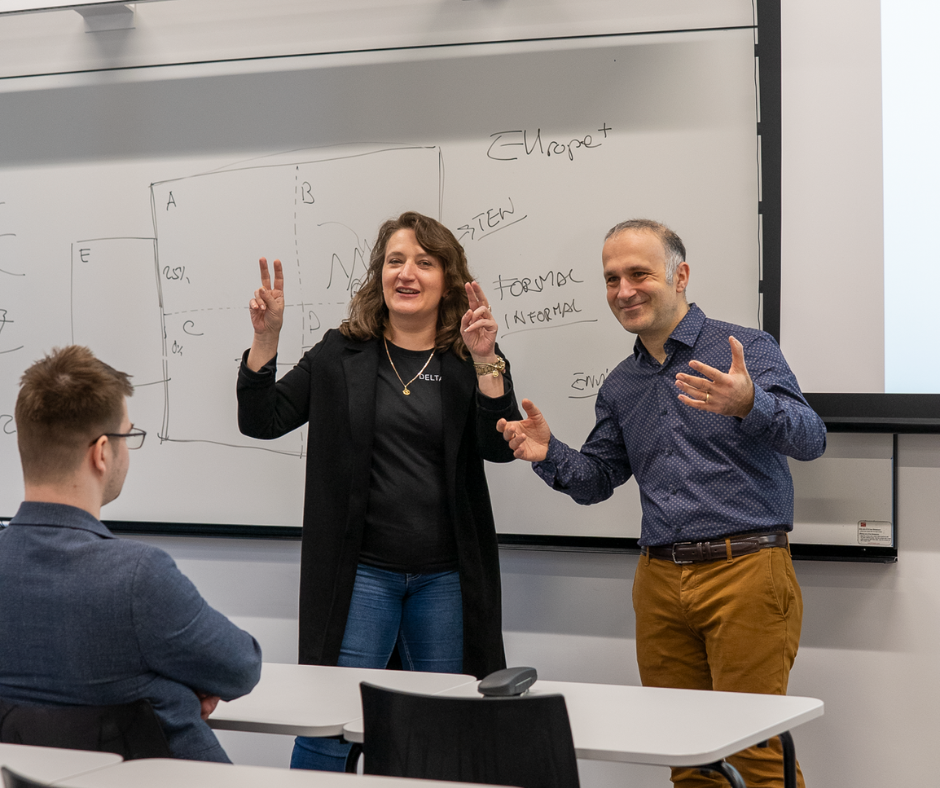
Just like Estonia was in the 1990s. It would have been impossible for experts to predict that Estonia would become one of the most digitally advanced countries in the world. There was only “hunger” for change, as Kadri Ukrainski, Professor of Research and Innovation Policy at the University of Tartu said. “We were poor and wanted to live better.” she added. Estonia quickly made big, brave reforms and built a digital society.
Ukrainski argues that this “hunger”, both literal and psychological, pushed the public and private sectors to take risks wealthier, more comfortable nations might avoid.
“Crisis is the best time for innovation,” she concludes over our zoom call. “It forces you to change”.
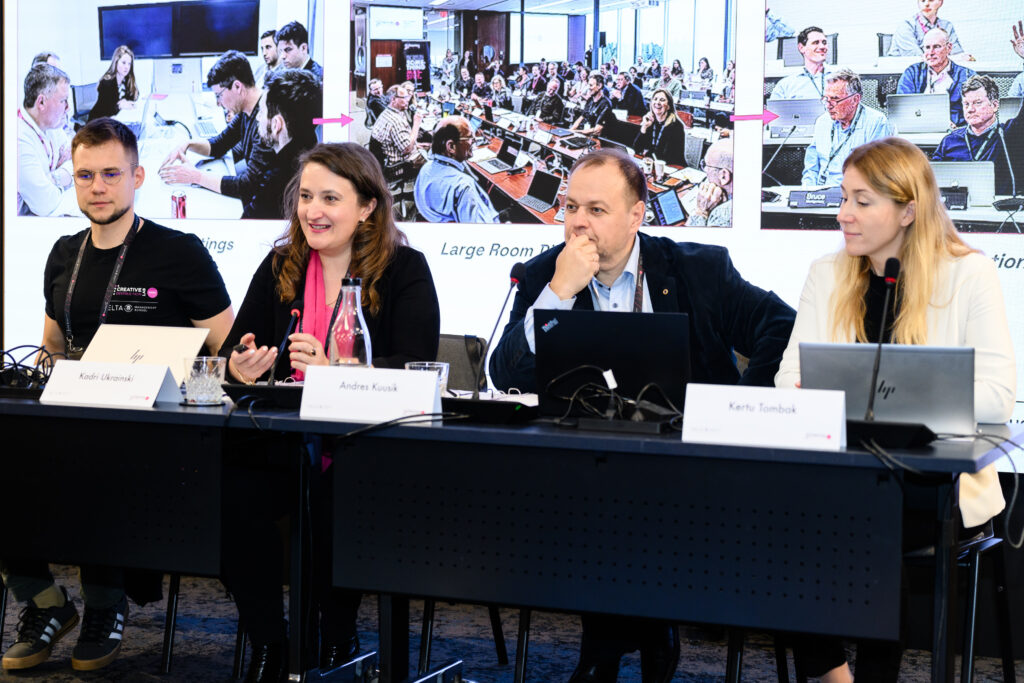
That’s the first lesson she shares as the head of Creative Destruction Lab (CDL) in Estonia. CDL is a global program that helps science-based startups grow.
Successful founders in her program are not just educated, but they’ve also created something in the real world. And they are committed. Ukrainski measures this in hours: the sweet spot is roughly 40–60 hours per week, calculated across the whole team, not just the founder. Because hunger for success isn’t one person’s job!
It also isn’t one person’s background. Even founders who dropped out of university can succeed if they’ve tried different things in the past and trust each other completely, like childhood friends. That trust compensates for gaps that no CV can fill.
The team is the algorithm
A new study published in Organizacija by Kadri Ukrainski and her co-authors takes a hard look at what truly drives startup success. If you think it’s all about the product, think again.
The research team developed a fuzzy‑logic–based model to evaluate 60+ startups and found that the human factor overwhelmingly shapes outcomes. In an environment where uncertainty is the norm, the team behind the idea becomes the most predictable indicator of whether the idea will survive.
Their model combined 26 variables, from leadership experience and skill balance to motivation, synergy, and ability to execute, and crunched them into an integrated team score. The result? High-performing startups have this in common: strong, diverse, motivated, and well‑coordinated teams that communicate clearly and act fast.
And the reverse is true as well. Weak team structure, unclear roles, low engagement, or untested leadership reliably dragged scores down. Even when the business idea looked great on paper.
The study also highlights how investors, accelerators, and even customers should interpret early‑stage uncertainty. If the business model is still taking shape (and let’s be honest, when isn’t it?) the best predictor of survival is how well the team adapts, learns, and collaborates under pressure.
So the next time someone tells you that startups are a gamble, you can answer: the odds are far less random when you know what to measure. And according to Ukrainski’s team, the path to startup success doesn’t start with the idea. It starts with the people building it!
From academic papers to paying customers
A strong team doesn’t emerge by accident; it grows from a trusted group of like‑minded people who work well together. But developing innovative technology is (clearly!) more difficult. One way would be to involve scientists.
Both founders as well as scientists are increasingly looking for ways to collaborate. Moving from academic publishing to having a real impact on the market is a global trend. According to Ukrainski, scientists make models perfect down to the last detail, while startup founders go out and test, learning through action.
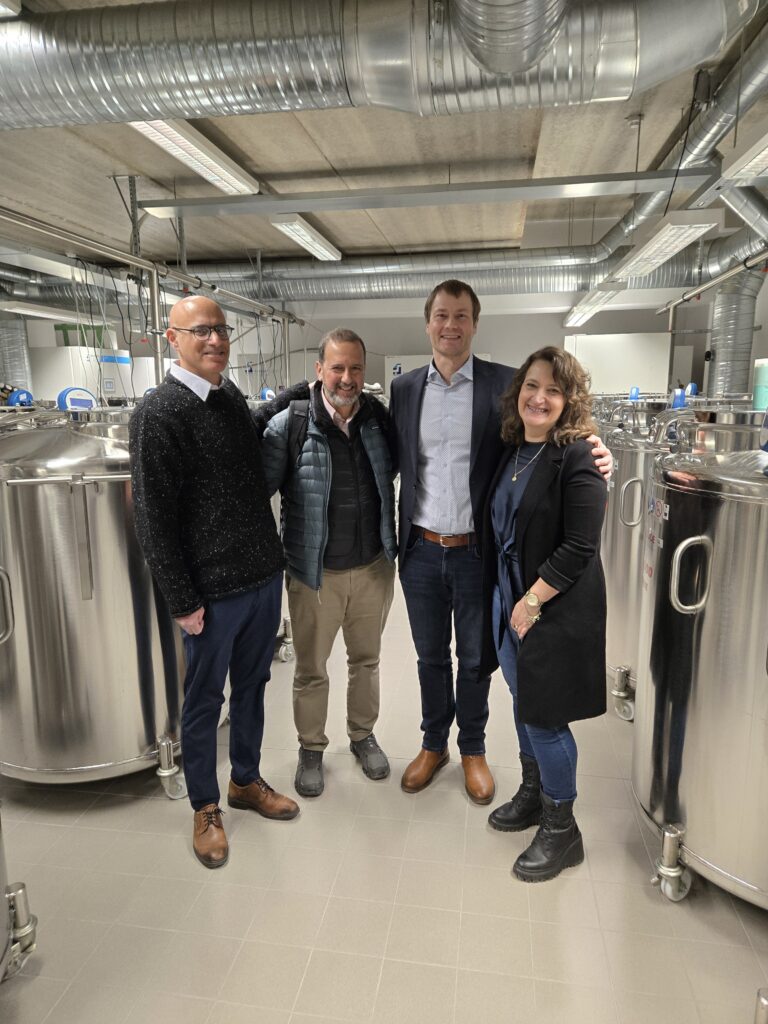
Researchers from Case Western Reserve University (CWRU), a US institution strong in medicine and engineering, travelled to Tartu to see how Estonia has bridged that gap.
“Traditionally, scientists’ impact was measured through publications,” says Daniel Lacks, Vice Provost for Interdisciplinary and International Initiatives at CWRU. “Now there’s a realization that it’s also in translating the research to actual impact. Startup companies are a way to do this.”
But the transition isn’t always smooth. “Scientists are not necessarily focused on developing solutions to customer problems,” adds Michael Goldberg, Executive Director of the Veale Institute for Entrepreneurship at CWRU.
Estonia’s brave success
Despite being a small nation on the periphery of Europe, Estonia has emerged as a “strong innovator”, performing at 104.8% of the EU average, according to the European Commission report. Ukrainski attributes this to a pure necessity.
She draws parallels to building a startup and building a country from scratch.
In her research, she has seen that in a crisis, the team with high trust levels is the biggest asset. When a startup is in its early stages or navigating a highly uncertain environment, the product isn’t finished and the business model isn’t stable. So, the team determines the success. And a good team, of course, has a lot of trust.
For a small country with limited resources, innovation could be the only way to stand out. And a way to enter the global discussion.
Estonia has showed it is possible with enough “hunger” and the right team in place.
If you have both, Ukrainski says, the next step is choosing your first key domain. That one path where partners are ready, the market is close, and results come fastest. Start there, then expand.
This article is written by Marian Männi. This article was funded by the European Regional Development Fund through Estonian Research Council.
If startups succeed on people, not just ideas, it’s worth asking how the next generation enters the workforce. Read more in “Young People and the Labour Market.”