Back
Back
Table of Contents
Textile designer Dr. Katrin Kabun is on a mission to bring back wool. “It’s the material of the future!” she is convinced.
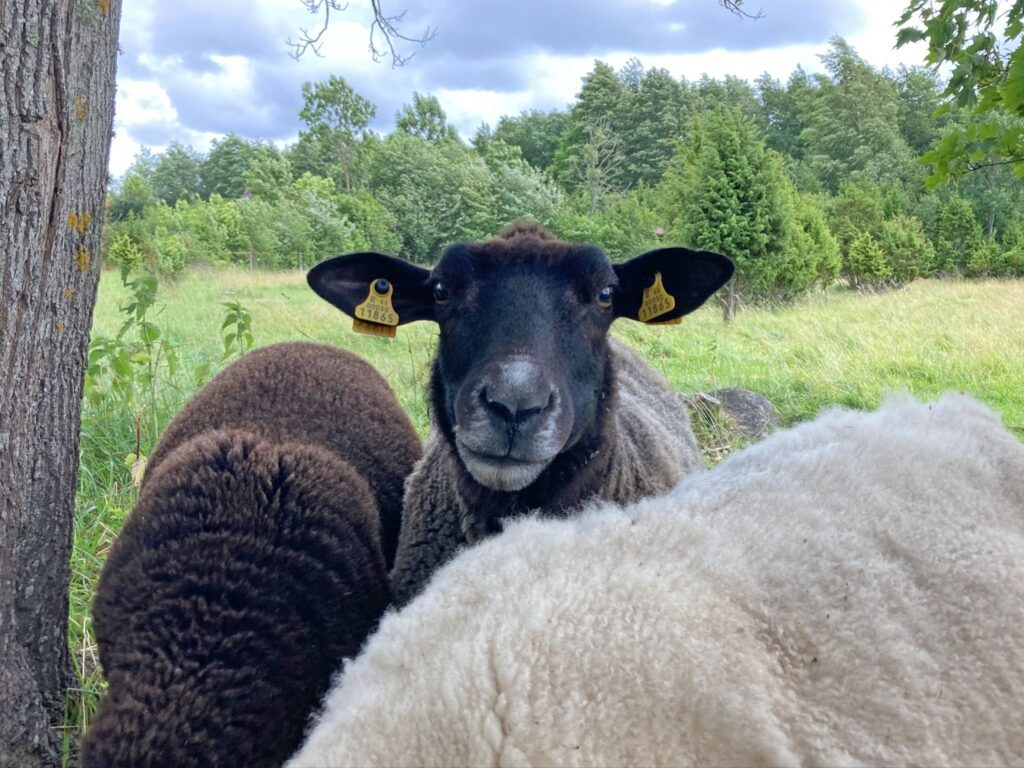
“Please take it away!” Just a few years ago, sheep farmers were pleading with Dr. Kabun, Estonian Academy of Arts lecturer and a textile designer, to help them get rid of the wool they had shaved off their lambs.
If Kabun wouldn’t take it, they would burn or bury those thick curls.
This happens across the world. Humans throw away the biodegradable material while buying plastic with – surprisingly! – similar properties.
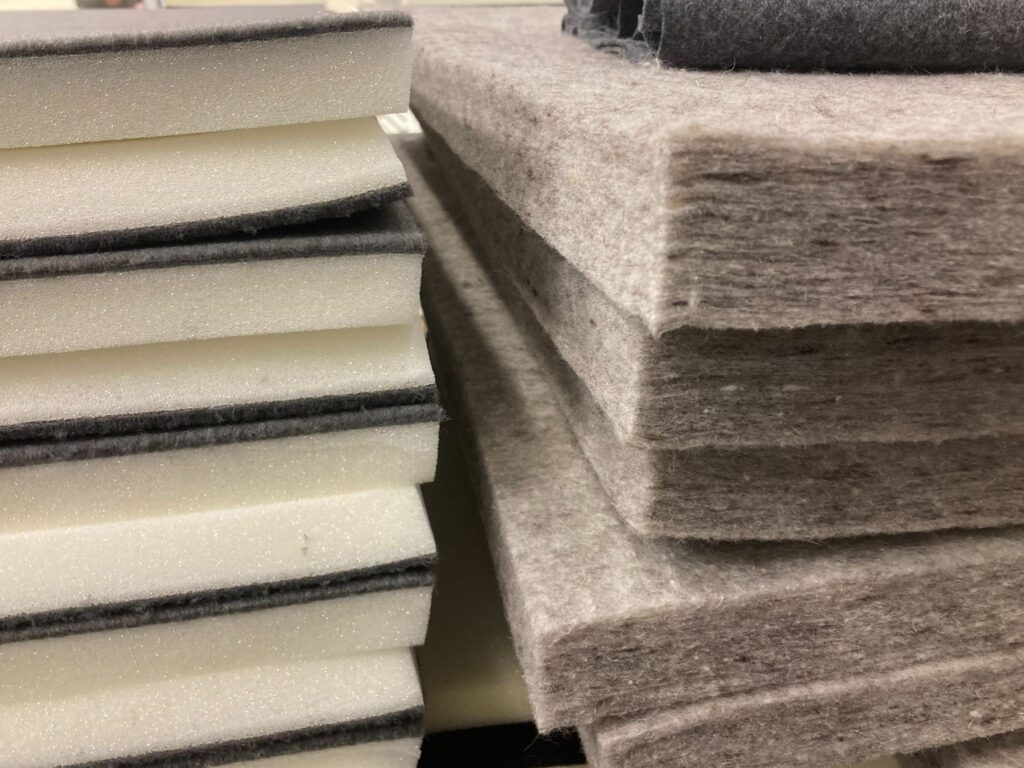
Kabun has dedicated her life to testing and studying wool. She has concluded that wool keeps heat like foam plastic. It has a unique ability to even generate heat when it gets wet. Wool also blocks noise better than polypropylene foam, and is the most fire-resistant of all natural fibers.
Yet, according to Kabun’s calculations, one million tons of unwashed wool (out of the 3 million tons) produced globally is thrown away. In its fluffy state, you could build eleven pyramids with that wool!
Since the mid-20th-century synthetic boom, wool has been considered a waste that only brings trouble.
Because wool is no longer a priority for farmers, the raw fleece rarely meets textile standards. It requires heavy washing and processing. But in most countries, including Estonia, the infrastructure to do this doesn’t exist.
Seemingly, wool also has a downside, Kabun explains. The material expands when wet. Kabun believes that here, scientists and designers need to work together, to make use of this unique property wool has, rather than see it as an obstacle.
“The situation is paradoxical,” Dr Kabun wrote in her dissertation published and defended in June 2026. “A material that has been highly valued throughout history has fallen into the waste category. At the same time, humanity is intensely looking for alternatives to petroleum-based materials.”
The answer, she believes, lies in plain sight.
Or rather, plain field.
Kabun wants to bring wool back to its old glory, and not just in theory. She is experimenting with real solutions in architecture, packaging, and medicine.
Designers can start the demand
Kabun is convinced that designers have the power to shift this narrative. “Up to 80 percent of a product’s environmental impact is determined during the design phase,” she points out.
By collaborating with various companies and Tallinn University of Technology researchers, Kabun wants to bring it back to design. In that way, sheep farmers can finally get rid of the wool, and make some money meanwhile.
Estonia is a great place to start with this revolution. The traditions surrounding wool still exist. Wool is also part of cultural heritage. Estonia even has its own official sheep breed, Estonian Native sheep. Wool and yarn enthusiasts visit Estonia to learn about the skills that have remained here.
“In Estonia, we still have the rich cultural heritage of wool,” Kabun said. “The skills to use wool have remained. We still highly value wool. But that’s not enough to fix the problems.”
That is why scientists across Europe are now focusing on rescuing low-quality wool.
Estonia could start the wool revolution
Kabun is not alone in her mission. In Poland, Assistant Professor Monika Rom from the Material Department at the University of Bielsko-Biala collaborated with Kabun to examine the acoustic properties of decorative panels made from mountain sheep wool. “This research allowed us to find attractive applications for low-quality wool that cannot be used for clothing,” Rom explained.

From Rom’s perspective, “Estonia is one of the most important countries where significant attention is paid to preserving indigenous sheep breeds, researching the properties of the fibers, and finding innovative uses for these wools, which are not easy to process.”
Rom believes that Estonia has great potential for finding new solutions to the wool problem. But the country is racing against the clock. Over the last ten years, the number of sheep in Estonia has fallen by half.
If we want to replace plastic, we have to stop burning the very material that can do that. And not just by knitting mittens or felting earrings. How about building woolen walls and furniture!
SIDEBAR:
Katrin Kabun’s experiments with wool for design:
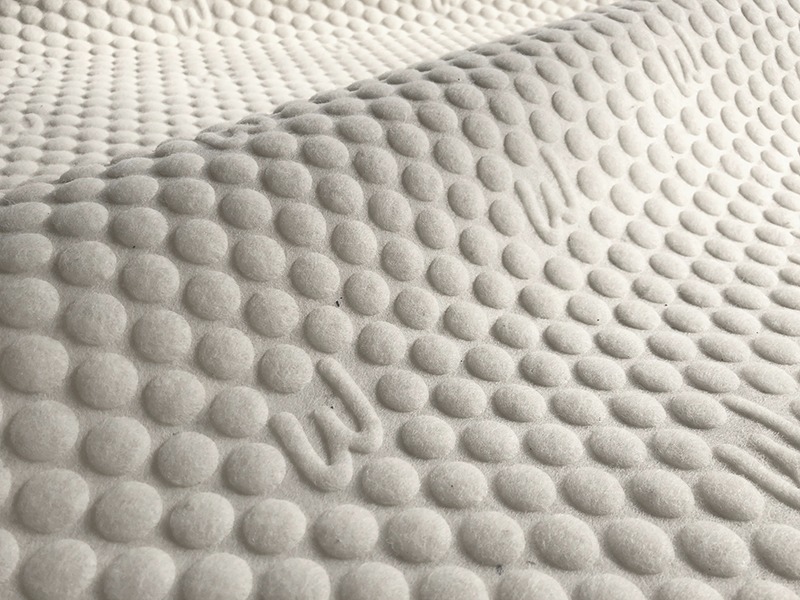
- Wool composite material: To give new life to low-quality wool, she developed and patented a wool composite material by using a heat press to combine leftover wool with natural, plant-based glues.
- Medical heating tubes: To replace expensive, space-consuming electronic heating devices used in therapeutic mud treatments in Haapsalu, Kabun designed wool tubes for the hands and feet. Because wool naturally traps heat, these tubes keep the mud at the perfect warm temperature for the patient’s entire therapy session.
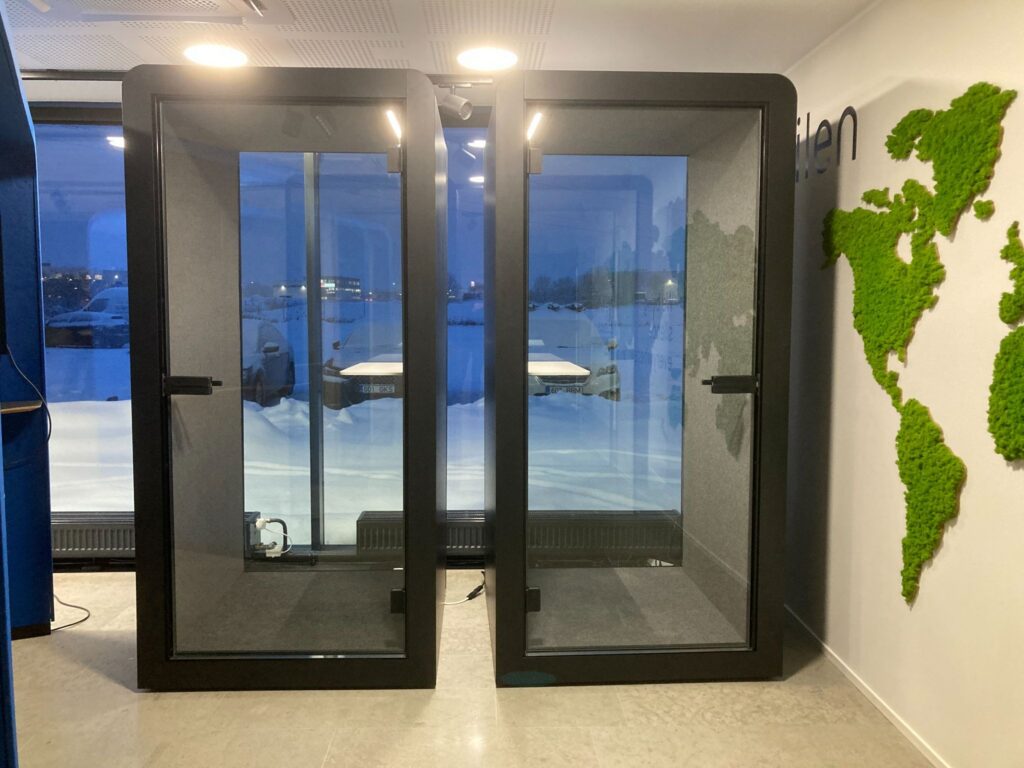
- Phone booths: Kabun built two identical office phone booths and placed them in the hall of Estonian Academy of Arts. One was furnished with synthetic materials and one with wool panels. The results? The wool booth demonstrated superior sound insulation and significantly reduced echo, especially at lower frequencies. The wool also prevented the air from becoming too dry. Without knowing which is which, 82 percent of the users overwhelmingly preferred the wool booth, describing the air as fresher, cleaner, and the environment as more pleasant.
- Packaging and bubble wrap: Kabun is working with an Estonian startup Woola. They are replacing bubble wrap and envelopes with wool. By now, they have reused and created a new value of 190,000 kg of wool. Most of it is Estonian, but they are now also including wool from the UK to meet the demand.
This article is written by Marian Männi. This article was funded by the European Regional Development Fund through Estonian Research Council.
If you’re starting to see textiles as more than just fabric, stay stitched in! Read more about how Interactive Textile Companion Promotes Body Awareness in Chronic Pain!