Back
Back
Table of Contents
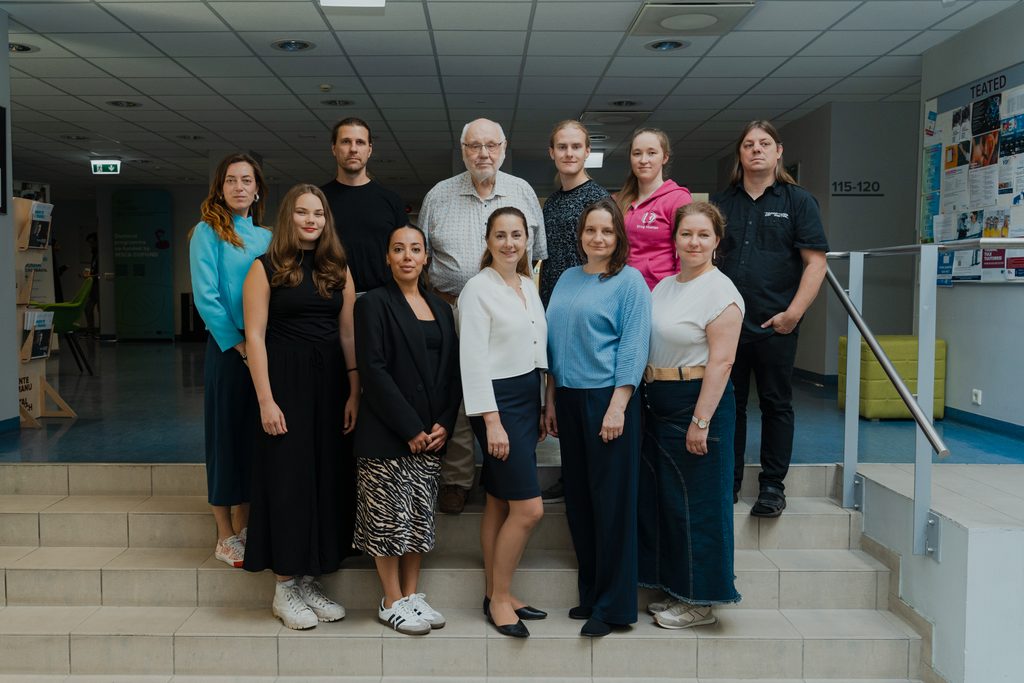
SafePAS is an Estonian start-up company that builds portable analytical systems for on-site drug testing. The idea for the company emerged in 2019 at a music festival in Latvia where a team of Tallinn University of Technology researchers tested their drug analyser. While testing a 15-year-old boy, it turned out that he had such a high concentration of ecstasy in his saliva that an ambulance was needed. Later, the police told the research team that it had been a matter of 30 minutes whether the boy would survive or not.
This is when the research team understood that they had something bigger in their hands, something that could save lives. It was time to bring science into the real world to make an actual impact.
How it started
“The problem was originally identified by the police because they usually use immunological drug tests. These basically give a yes-or-no answer, but their margin of error is quite large,” notes the CEO and co-founder of the company, Jekaterina Mazina-Šinkar. And whether someone has used drugs or not is largely a guessing game. “Essentially, the police may look at how a person behaves and say that it is more or less likely that the person has taken something,” says Jekaterina Mazina-Šinkar.
The idea was to create a product similar to an alcometer that could orally measure a drug concentration in a person’s saliva. Traditionally, the problem has been solved by sending samples to laboratories. Blood is collected in hospitals, urine samples are taken and sent to laboratories, and the analysis is performed there. But the problem has grown so large that laboratories simply don’t have the capacity to analyse such huge numbers of samples quickly and the whole process is quite expensive.
There needs to be a device that is as reliable as a laboratory test, but can also be used by police officers themselves, so they can determine whether a person has recently used a narcotic substance. It saves money, but also human resources. Instead of several police officers having to drive somewhere with a person suspected of drug use and take them to a laboratory, the test can be done on site. That saves working time, resources and laboratory costs. Everyone benefits from it.
“We tested it in Pärnu together with the police and demonstrated that the technology worked,” notes Jekaterina Mazina-Šinkar. At first the machinery was large, heavy, and difficult to use. This is when phase two began – making it portable, smaller and easier to use.
The technology
The first thing that has to be done is to see the substances present in the saliva. Saliva contains many different substances so to identify them, they need to be separated from one another. They separate the different components using electrophoresis, which is also commonly used for DNA analysis, it is considered a gold-standard method for DNA analysis. Then the substances are separated in the saliva and detected using fluorescence.
This means collecting an optical signal. The system then identifies the substance and determines how much of it is present. The stronger the signal, the higher the concentration. If there is no signal, that means the substance isn’t present. It can detect methamphetamine, ecstasy, cocaine, tramadol, codeine, morphine, cannabis and other psychoactive substances. “Our result is within approximately plus or minus 15% of that value,” says Jekaterina Mazina-Šinkar.
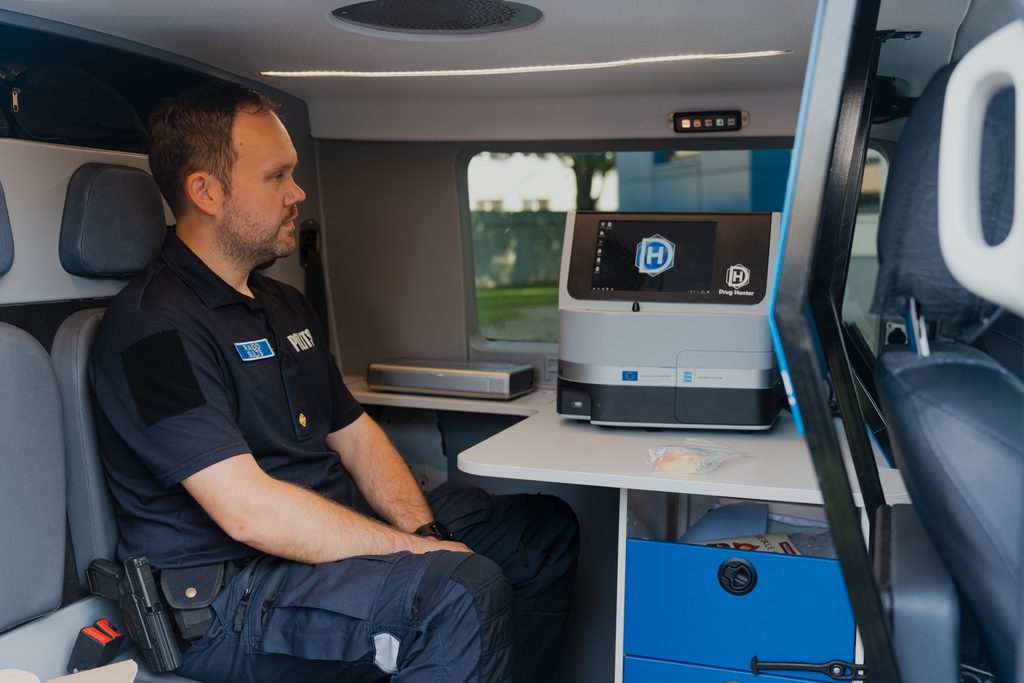
The Estonian police already have these drug analysers in both Tartu and Tallinn. To perform the tests, consumables are needed. These are very similar to what was used in COVID tests. The person rinses their mouth with saline solution, then spits, and the sample is collected within about ten seconds. After that, similarly to a COVID test, the sample is filtered. A portion of the material is taken, put into a small vial with a filter, extracted and placed into the vial. The vial is then placed into the device, which analyses the sample automatically and indicates whether certain substances are present in the person’s body.
Legislation
The biggest limitation is legislation. Even when police forces in other countries are very interested in trying the technology, their legislation may not allow them to use it. “That’s why we have selected specific countries where market entry is currently possible. If other countries change their legislation, they will also be able to consider adopting the technology.” says Jekaterina.
She emphasises: “We currently have several countries in sight. We mapped European countries where it would be possible to enter the market quickly, because the legislation differs from country to country. At the moment, we have selected the UK, Poland, and Germany as our priority markets within Europe. We are also preparing to enter the United States and Saudi Arabia next year.”
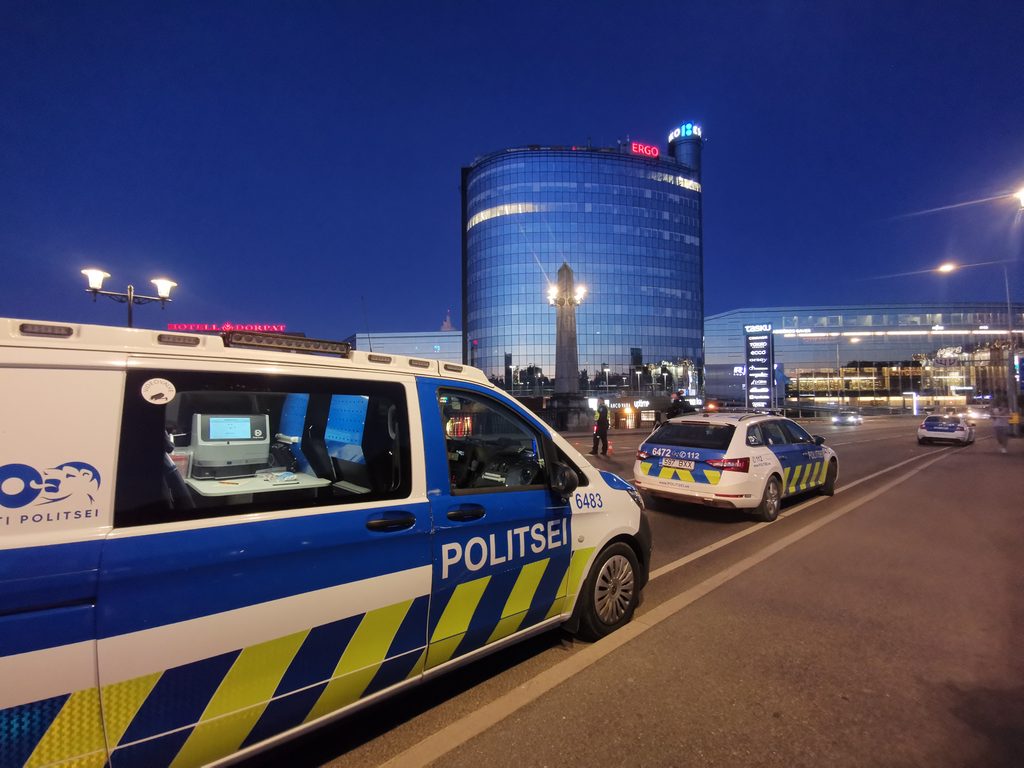
But would drug-related crime genuinely decrease when Drug Hunter would be taken into usage more widely? Jekaterina says: “Honestly, unfortunately, I don’t think people would simply start using fewer drugs. If we look at current trends, especially wastewater analysis, we can see how much people are actually consuming and how the trend is developing.”
Cocaine and amphetamine use, for example, is continuing to increase. The problem is that there is not enough analytical capacity outside laboratories to understand how large the problem actually is. If there is no data, the scale of the problem is not known. It’s similar to COVID testing. When everyone started testing for COVID, suddenly it came out how many people were actually positive.
Drink-spiking substances
Another thing SafePAS is currently testing is an analyser for drink-spiking substances. At the moment, neither the police nor medical institutions have sufficient capacity to reliably analyse drink-spiking cases on site. First, a sample needs to be collected. There also has to be suspicion that the person has actually been poisoned through a spiked drink.
Then the police need to confirm that this is a case worth investigating. The person is sent to hospital, a sample is taken, the sample is sent to an institute and analysed there.
But the timing of sample collection is extremely important. The substance used in a spiked drink can disappear within six hours. After that, you may no longer be able to prove that the poisoning actually occurred. So having analytical capabilities outside the laboratory (something that a security guard or medical worker at a music festival could use on site) would be extremely useful. It could help people understand that they are dealing with suspected drink-spiking and provide the basis for the police to begin their investigation. There wasn’t really a drink-spiking analyser available in the world before.
The technology actually allows to do many things: analyse soil, drugs, drink-spiking substances. Another application that was developed at the university was the analysis of explosives. It could also have dual-use applications – for example, detecting the breakdown products of nerve agents and determining whether a chemical weapon has been used and what type of chemical weapon it was.
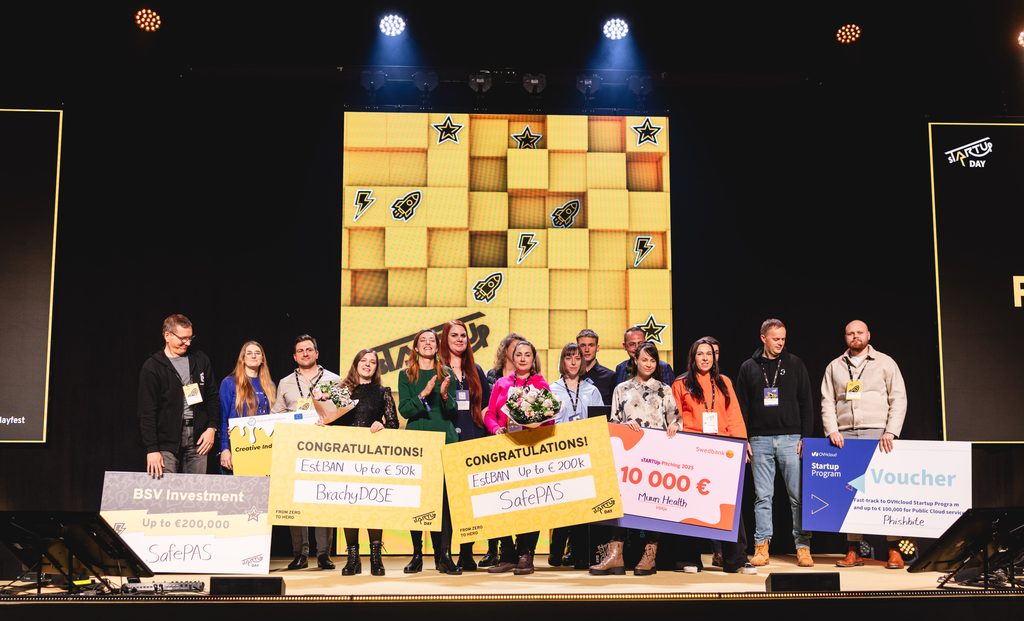
This article is written by Annette Maria Hermaküla. This article was funded by the European Regional Development Fund through Estonian Research Council.
From finding drugs in saliva to finding bacteria in blood, Estonian researchers are shortening the distance between a sample and an answer: Speeding up blood infection diagnosis to save lives and combat antibiotic resistance.