A Tiny Robot Helps Scientists Understand the Baltic Sea
30.09.2026

From Dirt to Drugs. The Machine That Detects What Others Miss!
28.09.2026
Estonian camera headed for deep-space mission in 2028
15.08.2026

Electric propulsion is not always the answer for small vessels
31.07.2026

A robot that knows what it doesn’t know: navigating with a single cheap camera
14.07.2026

Language models read doctors’ notes to reveal why patients discontinue medication
07.07.2026

Our comfort confuses our phones
25.06.2026

New technology allows ai agents to read and respond to people’s facial expressions
17.06.2026
Invisible wires will make the future: turning silver nanosized wires into reliable see-through conductors
28.04.2026
Smartwatch-like device could help detect plastic particles in the human body
20.04.2026
How to detect the invisible plastics inside of us?
30.03.2026
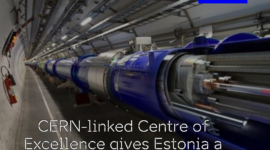
A jump to the champions league: CERN-linked Centre of Excellence gives Estonia a fresh boost
25.03.2026

Researchers develop a low-cost social robot that helps students to learn
05.12.2025

How to make bones heal faster?
02.12.2025
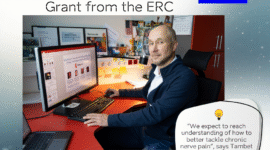
Tambet Teesalu seeks to improve pain management at the interface between blood vessels and nerve tissue
06.11.2025

Estonia, first country to fully deliver its in-kind contribution to ESS
24.10.2025

E-Governance Expert Ingrid Pappel Is Working to Make TalTech an AI Native University
30.09.2025

Imperial College London’s Marek Rei is Using Machine Learning and Language Models to Improve Healthcare
05.09.2025

Proving presence in a distrustful world! How Estonian researcher’s work could transform digital truth.
27.08.2025
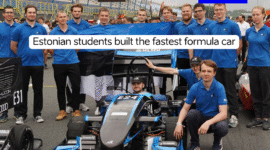
“There’s no room for fear.” – Estonian students built the fastest formula car
13.08.2025
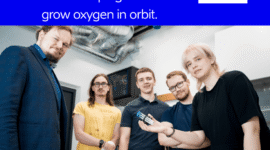
Experimental apparatus developed in collaboration with Tartu Observatory was sent to International Space Station
21.07.2025

Fish, AI and tights: ushering in a new era of river monitoring
14.07.2025
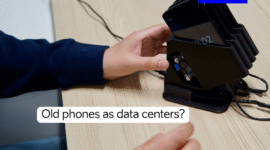
Old smartphones can have a new life as tiny data centers
25.06.2025

TalTech PhD Student Ian Erik Varatalu Created a High-Performance Engine for Searching from Text
18.06.2025