Back
Back
Table of Contents
In Northern Europe, the air is getting more humid, making trees “lazier” and stumpier. A rare experiment revealed the hidden cost of a “comfortable” climate.
Many scientists are concerned about the warming climate and rising carbon dioxide levels. But in the northern hemisphere, the weather is also getting wetter. Tartu University scientists simulated the forest of the future by increasing air humidity by 5 percent. They wanted to see how the widely grown white, black-dashed silver birches react to these changes.
The outcomes were surprising.
“We understood we don’t know as much as we thought we did!” Eele Õunapuu-Pikas, a research fellow in the plant ecophysiology group, told Research in Estonia.
Why wetter isn’t better
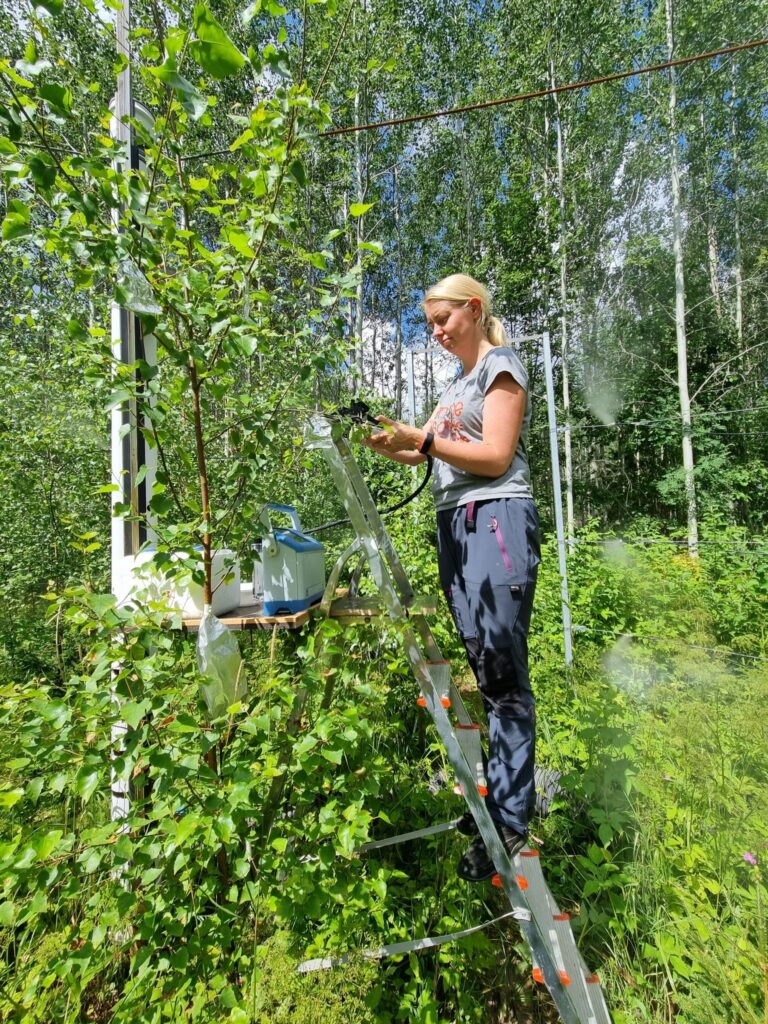
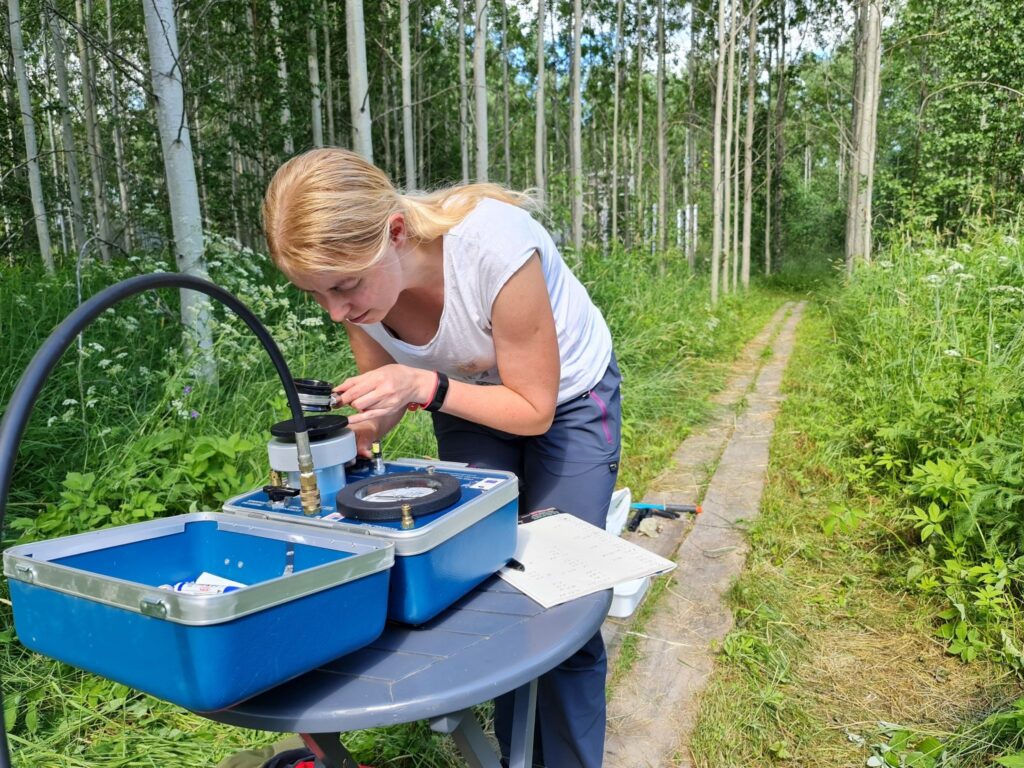
Silver birches adapt fast. In a more moist air, the trees will learn not to pull the water all the way from the roots up to the leaves as strongly. So the flow of water inside the silver birches slows down, the researchers noticed during the experiment. Over time, this shifts how the trees regulate water loss and use.
“When trees grow in a wetter climate, they invest less resources in developing an efficient water transport system,” Õunapuu-Pikas explained. If a sudden drought hits and the leaves need more water, the trees may not be able to transport it fast enough.
The “laziness” trap
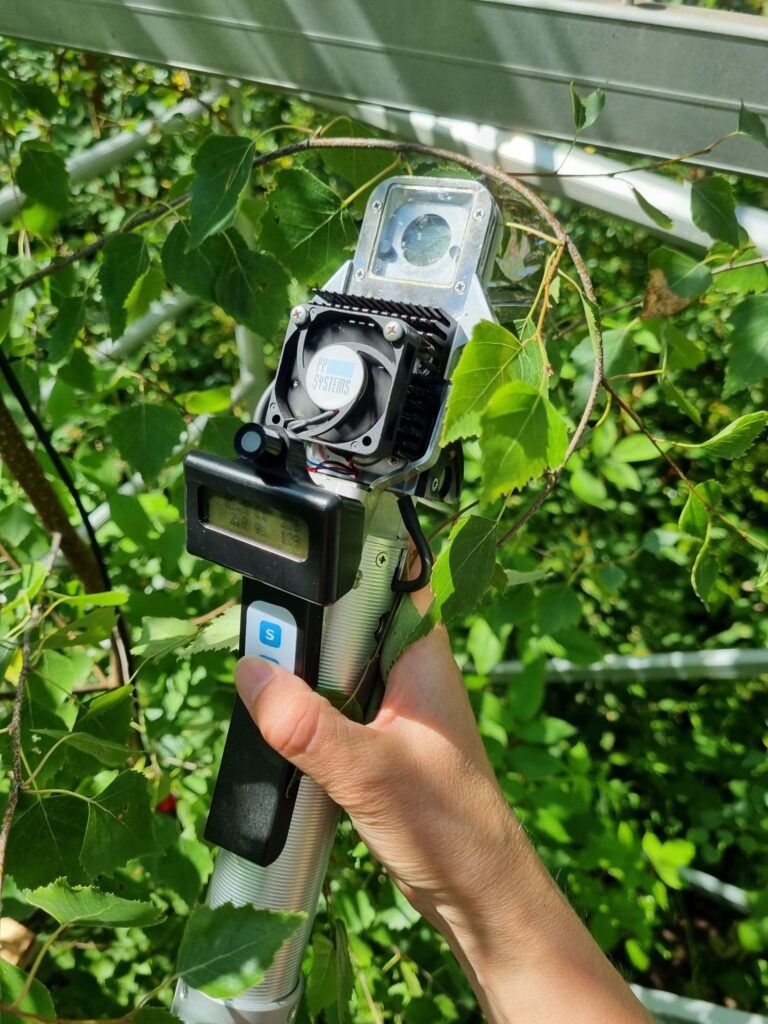
The researchers also concluded that in higher humidity, trees get “lazier.” Their stomata (the tiny pores in the leaves that control water exchange) react more slowly.
“If the weather gets dry suddenly, the tree should close its stomata. But if they don’t do it quickly enough, the tree loses water fast,” said Õunapuu-Pikas.
The study also revealed that a tree’s internal plumbing reacts differently depending on whether the extra moisture comes from the air or the soil..
A growth paradox in the living forest
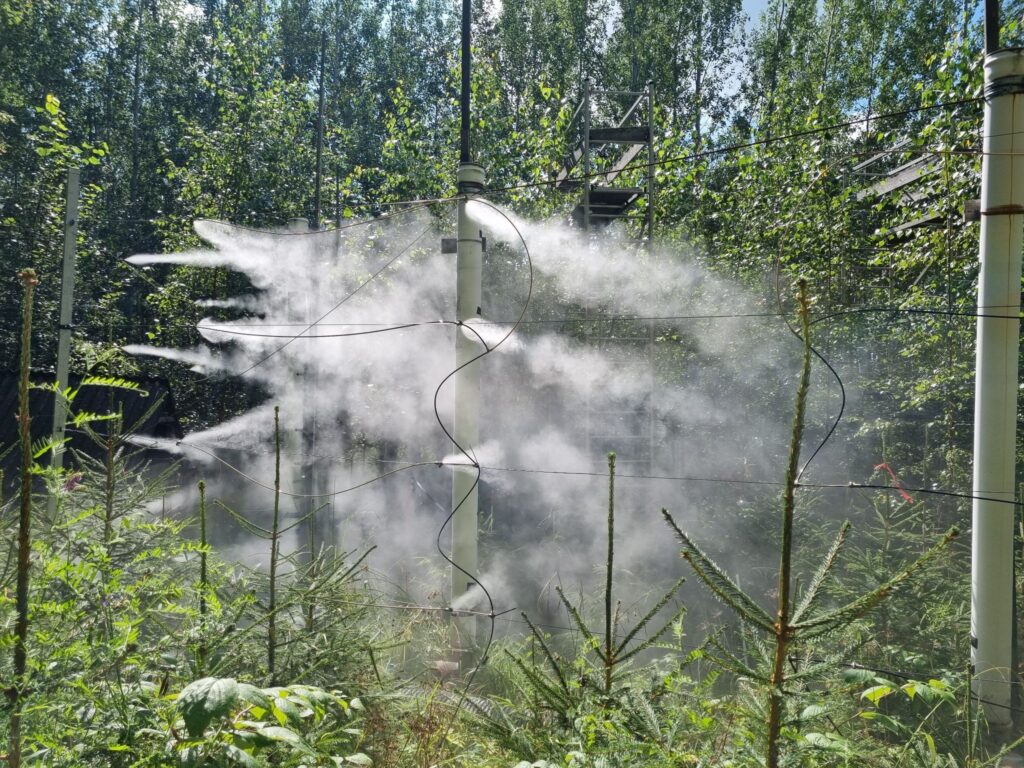
No other scientists have conducted an experiment quite like this. Instead of observing plants in a controlled laboratory, the team used the Free Air Humidity Manipulation (FAHM) site to simulate future scenarios in a real, living forest.
“Change of air humidity is technically more difficult to study compared to drought, restricting the experimentation, particularly in outdoor conditions,” said Professor Elina Oksanen.
from the University of Eastern Finland. Her team has also taken part in the Estonian FAHM experiments. “ Estonian FAHM is unique and similar experiments are rare,” she said, and added that studying how trees handle the humidity is vital for long-term forestry planning. Wet conditions can also fuel damaging fungal diseases.
According to Oksanen, high humidity also limits nutrient uptake, forcing trees to focus their energy on defense: “In our studies the birches were acclimated better to humidity stress compared to aspens.”
The results present an apparent “growth paradox”. While the overall height and leaf biomass are reduced, considered as a stress reaction to higher humidity, the trees develop relatively thicker trunks, thus becoming more “sturdy”.
Based on the studies published in the journals Tree Physiology and New Phytologist, the team concluded that rising atmospheric humidity may lead to reduced tree growth and lower forest productivity. This challenges the assumption that a wetter climate and longer autumns will benefit Nordic forests.
Instead, these “lazy” trees will be significantly more vulnerable to the extreme weather events brought on by climate change.
Inspired Swiss Experiment
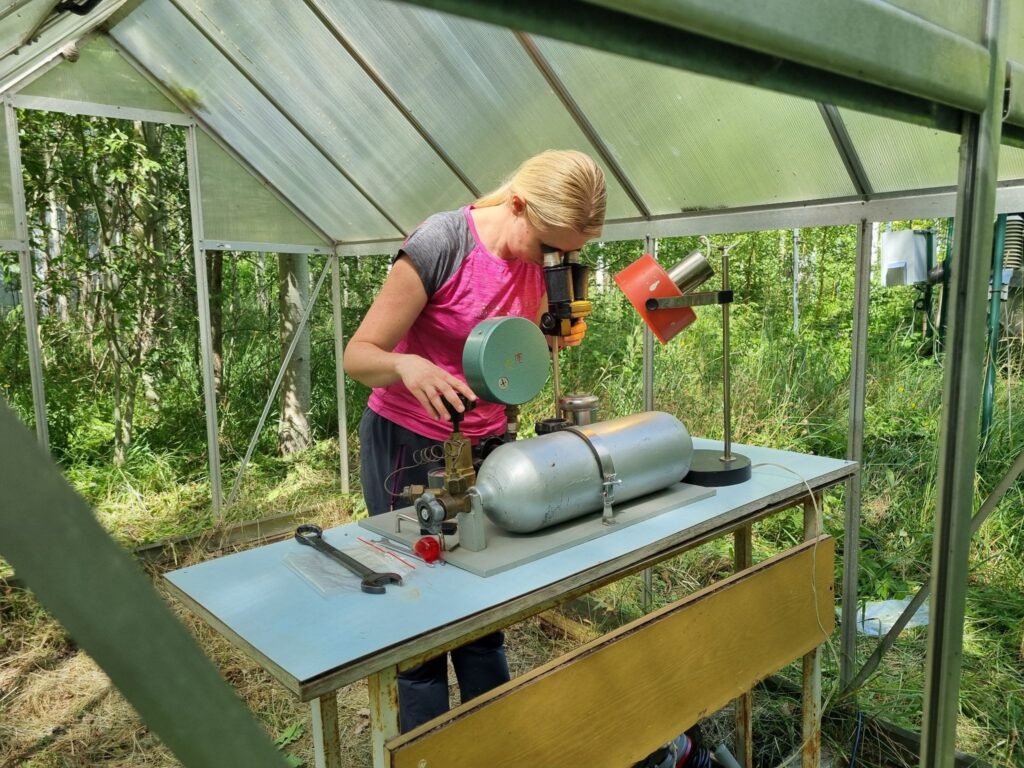
The University of Tartu experiments have paved the way for a bigger experiment right now running in a Swiss pine forest. “Primarily, they investigated our prototype trial for reducing air humidity,” said Priit Kupper, an associate professor in the plant ecophysiology group and the coordinator of the FAHM site, who visited the testing site in Valais, Switzerland.
But it’s not all doom and gloom.
“Nature has the incredible ability to adapt,” Õunapuu-Pikas said. “While some species may decline or shift their ranges, ecosystems continue to change and reorganize over time.” Regarding the silver birch, she remains hopeful. “It is a highly plastic species and is likely to persist, even if it expresses different growth and water-use strategies under future conditions.”
Resilience through diversity
Another lesson comes from the trees: diversity makes them stronger. In mixed forests, trees interact in ways that reduce competition and limit the spread of diseases, helping the whole system remain more resilient.
So what can we learn about stress from trees?
Perhaps, that a bit of stress is necessary to avoid constant comfort, the “laziness” that costs more in the long run.
“Trees are the ultimate role models for enduring through time and changing conditions. They are long-lived and rooted in place,” Õunapuu-Pikas said. “They cannot simply change their environment or find another place to grow, so they must face whatever the world throws at them.”
SIDEBAR: Three simple lessons from the forest:
- What looks like strength is often shaped by stress and challenge.
- When things are too easy (high humidity), we stop building the “pipes” we need for the hard times (drought).
- Just like trees in a mixed forest, we are more resilient when there is diversity.
This article is written by Marian Männi. This article was funded by the European Regional Development Fund through Estonian Research Council.
If this article put down roots in your mind, don’t leaf just yet! Branch out to our next article and read more about The new life of alder and aspen wood – a breakthrough by scientists from Estonia!