Back
Back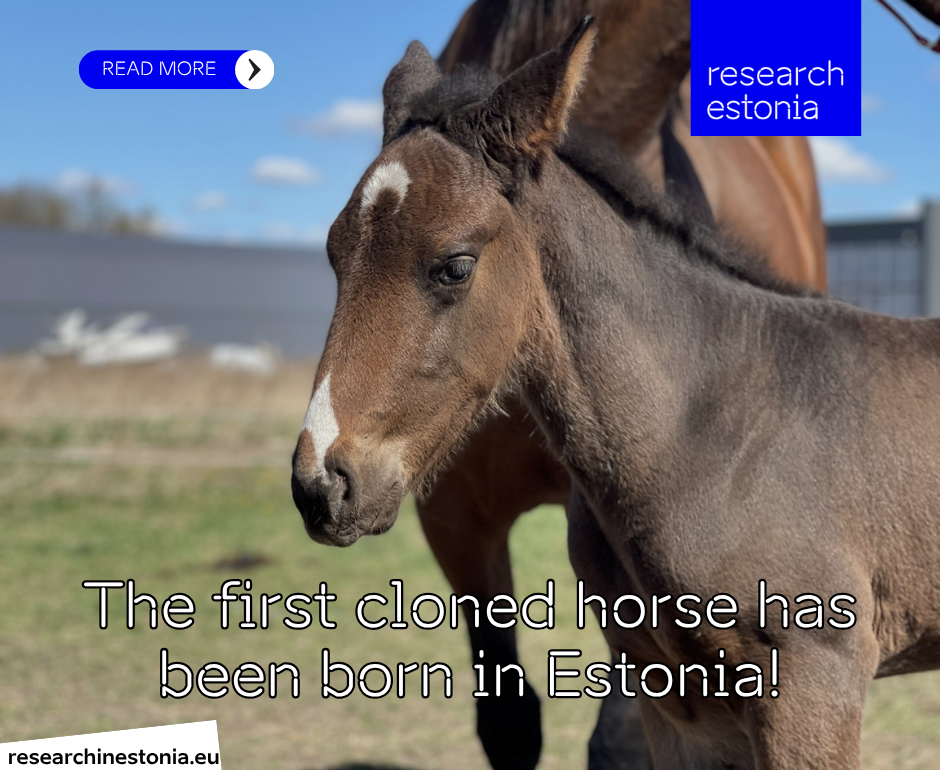
Table of Contents
This April, history was made in Estonia when the country’s first cloned foal was born. Genetically identical to a legendary racing stallion Wodan M, the foal has attracted a lot of international attention, as Estonia has become only the second country in Europe capable of cloning horses.
Behind this extraordinary scientific achievement lies years of teamwork. The horse cloning research group included embryologist Elina Tsopp; veterinarians Anni Viljaste-Seera, Andres Reilent, and Felipe Corrêa and; embryologist Andrès Gambini from the University of Queensland. The University of Life Sciences researches collaborated with Luunja Stud OÜ, led by Sven Šois and Urmas Raag.
The long road from embryology to Endex
As Elina Tsopp, the leader of the whole process, and I walk through the stables to the laboratory, she points out future plans for the facility – where the customers’ lounge will be and where the reception area is planned. Following the recent success, potential clients from around the world have begun reaching out, and two first mares from Finland have already arrived.
We settle into the lab and Tsopp begins her story: ‘’At first I was supposed to study law at my father’s wish, but I secretly submitted my papers to animal husbandry.’’ Having spent her whole life around horses, this was the path to take. She explains how already during her undergraduate studies she became interested in embryology.
Despite her education in embryology, it took Tsopp two years of relentless practice, days and nights spent learning not to damage the eggs and embryos and be successful in planting them. In total, the team spent four years developing the technology needed to create experimental embryos. Once they succeeded, the next step was to produce a test-tube foal. In the summer of 2024, the first test-tube foal, Endex, was born. Only then was the team ready to begin cloning.
Challenging myths about cloned animals
In Europe there is only one other country capable of cloning – Italy. According to Tsopp, the science and knowledge behind cloning are highly secretive because of the business objectives and commercial interests involved. She describes the process of cloning Wodan M as ‘’reinventing the bicycle’’. Tsopp hopes to change the culture of secrecy surrounding the field by making scientific knowledge more accessible for the public good and, through that, improving the safety and efficiency of cloning for donor horses, surrogate mares, and foals.
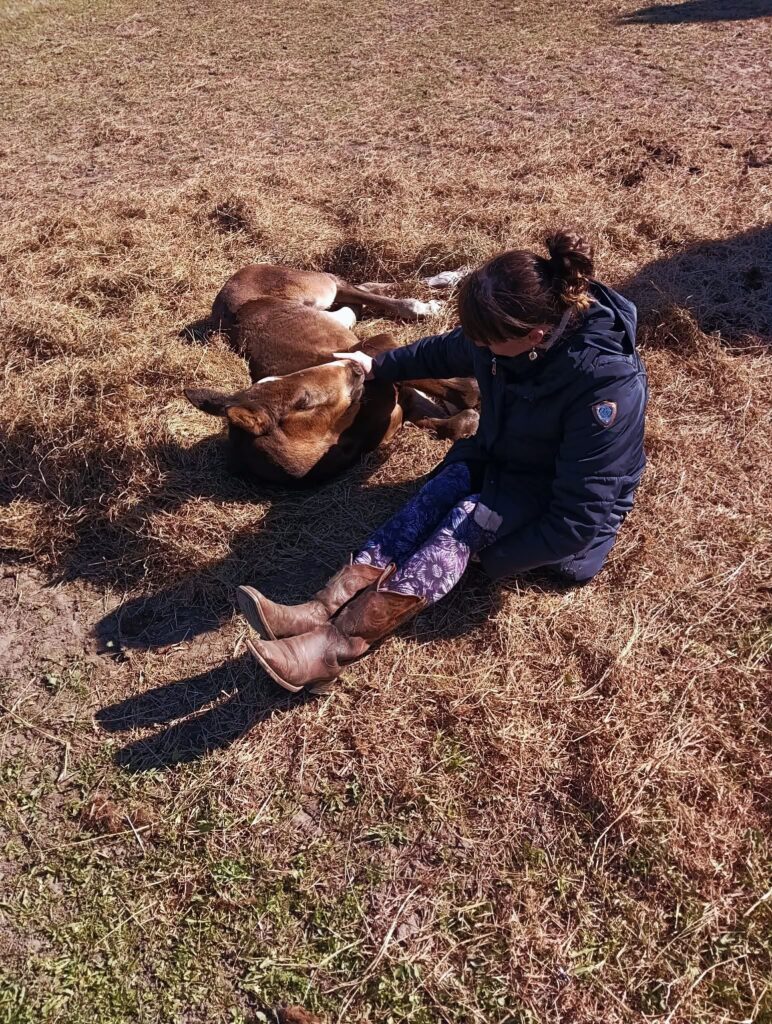
After the foal was born in the early morning of April 11, Tsopp and her colleague Viljaste-Seera stayed up for thirty hours straight, carrying out blood tests, measurements, weighing the foal, and monitoring its condition. Yet as Tsopp eventually took a pause and looked at the foal, she realised – it looked completely normal!
Tsopp notes that there is a widespread myth that cloned animals are defective, unhealthy, or have shorter life expectancies. Yet the limited research that there is on the topic, refutes this idea. The only difference is regarding what kinds of cells are taken to clone with as the use of skin cells has proven to be more difficult than stem cells.
Tsopp explains that her team’s decision to use stem cells instead of skin cells was groundbreaking and – the recipe for success. Right now there are two other mares pregnant with cloned Wodan M foals, both of whom are expected to be born in early July. So far, both pregnancies have developed normally.
What comes after the first cloned foal?
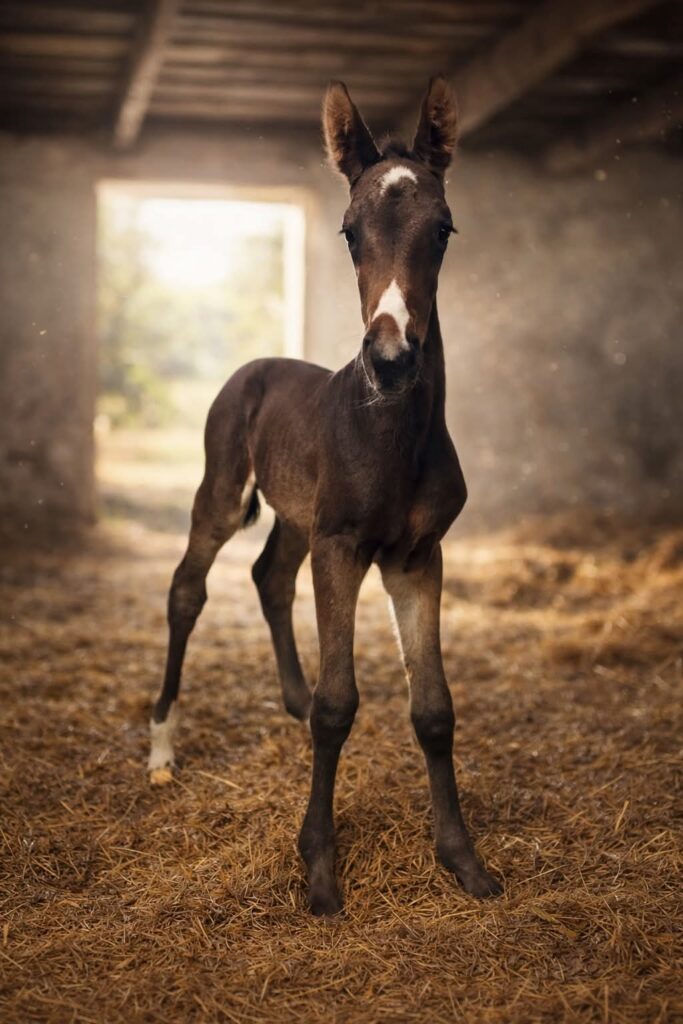
Currently the foal Wodan M Alpha is living with its surrogate mother, a calm and friendly one-eyed mare. He is curious and playful, yet as children oftentimes do, hides behind her mother at first when meeting strangers, such as myself.
The birth of the first cloned foal in Estonia asks the question of what will the future hold. Will there be cloning of dogs, cats or other mammals? Tsopp emphasises that wider cloning of dogs and other pets is highly unlikely, as it is practiced in other parts of the world already, but is considered barbarous and problematic regarding animal welfare.
The next step for Tsopp is to make horse cloning more efficient and safer for the animals involved. After that, Tsopp with her team will hope to expand the research to include the cloning of small ruminants, which they plan to study and conduct in the future
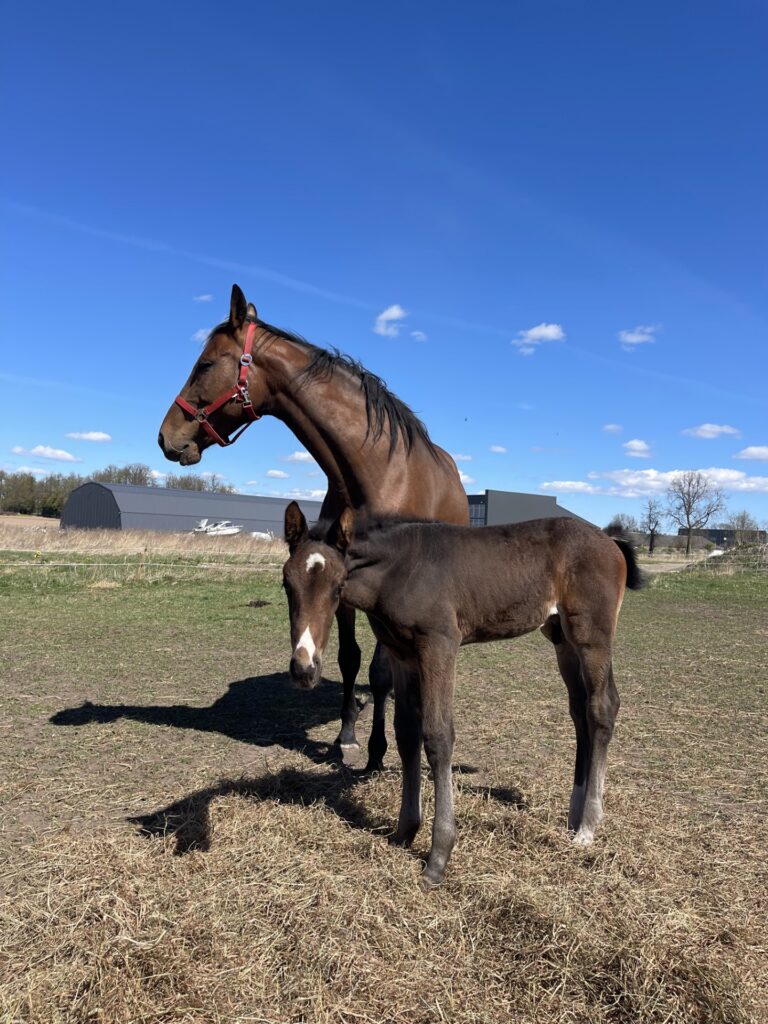
This article is written by Annette Maria Hermaküla. This article was funded by the European Regional Development Fund through Estonian Research Council.
Read how we got to The first test tube foal in Estonia!