Back
Back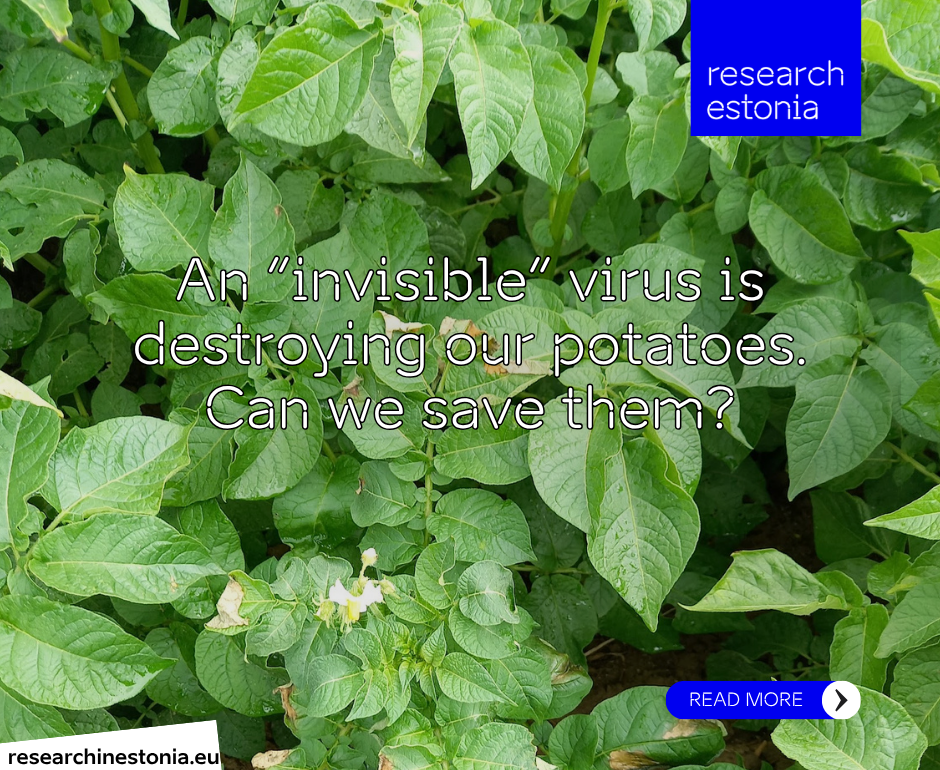
Table of Contents
For decades, farmers could spot a sick potato plant just by looking at its leaves, but not anymore. The virus has learned to hide, costing Europe €187 million annually.
Humans think they are clever, but nature still finds a way to outsmart us, right below our feet.
In the past, sick potato plants had bright yellow spots, mosaic patterns, or crinkled leaves. But over the last 10 to 15 years, those obvious signs have disappeared. The Potato Virus Y (PVY) has learned to hide. Instead, it is now shrinking the potatoes gradually with no obvious (or really mild) other signs.
This makes it one of the most economically devastating potato viruses in Europe, according to the Springer Nature article.
To understand this virus better and figure out how to stop it, Piret van der Sman from the Centre of Estonian Rural Research and Knowledge, her supervisors, Lilian Järvekülg and Merike Sõmera, from Tallinn Technological University, and their research team looked into two decades of local data.
“Certain patterns started to appear,” van der Sman said. “Some potato varieties always get infected, while others don’t. I wanted to understand why.”
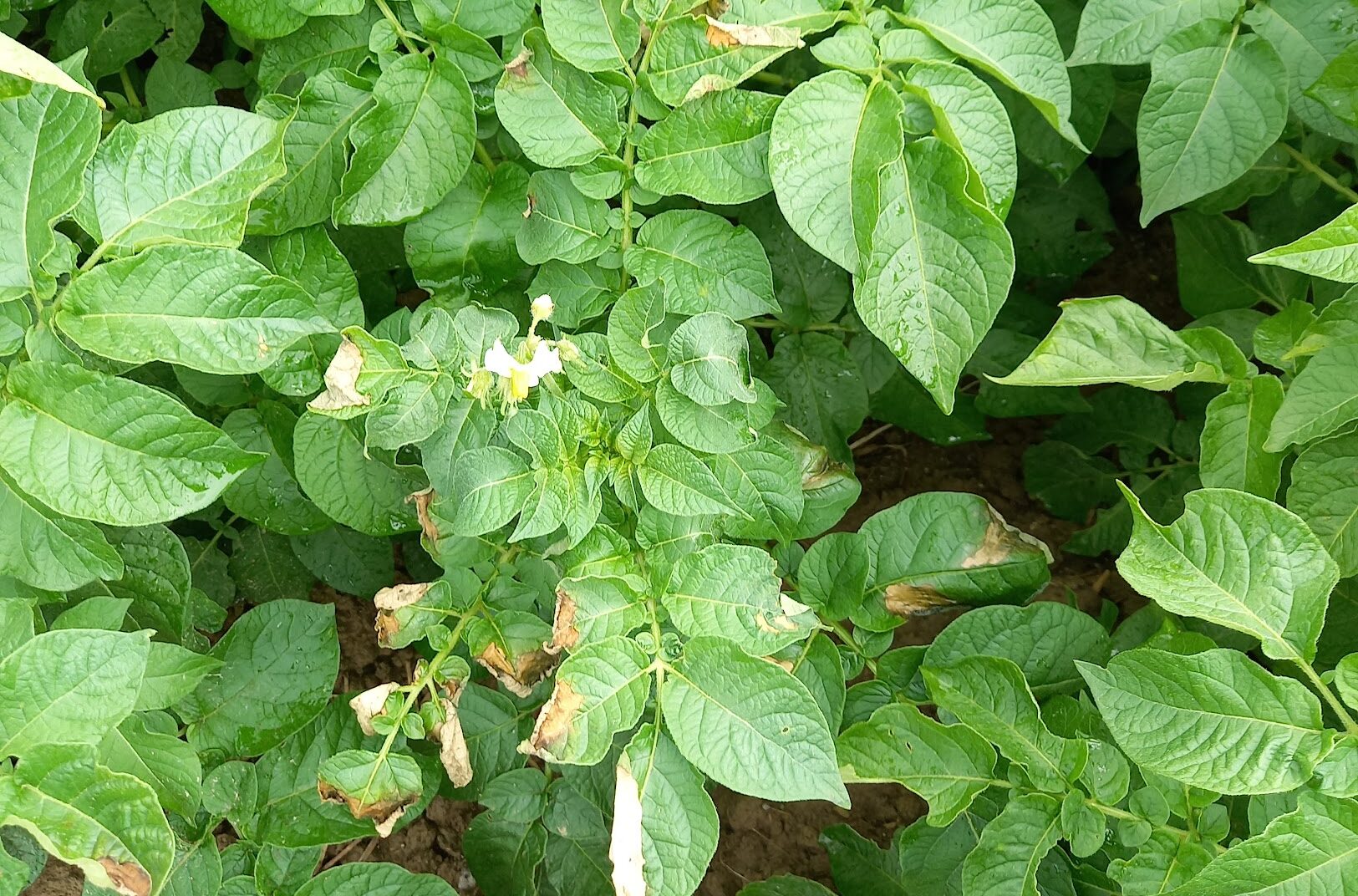
The new virus outcompetes the old
The research team tracked over 1,000 seed potato samples and discovered that roughly 90 percent of infected seed potatoes in Estonia now carry modern hybrid, or recombinant, strains. These are the clever new virus strains that can hide.
So most of the sick potatoes do not appear sick at all. That’s how the new hybrid outcompetes the old, creating dangerous virus strains that spread silently.
And climate change is only helping them. The virus is spread by aphids, small green insects that eat a sick plant and carry the virus to the next. Warmer, wetter Julys make these bugs thrive.
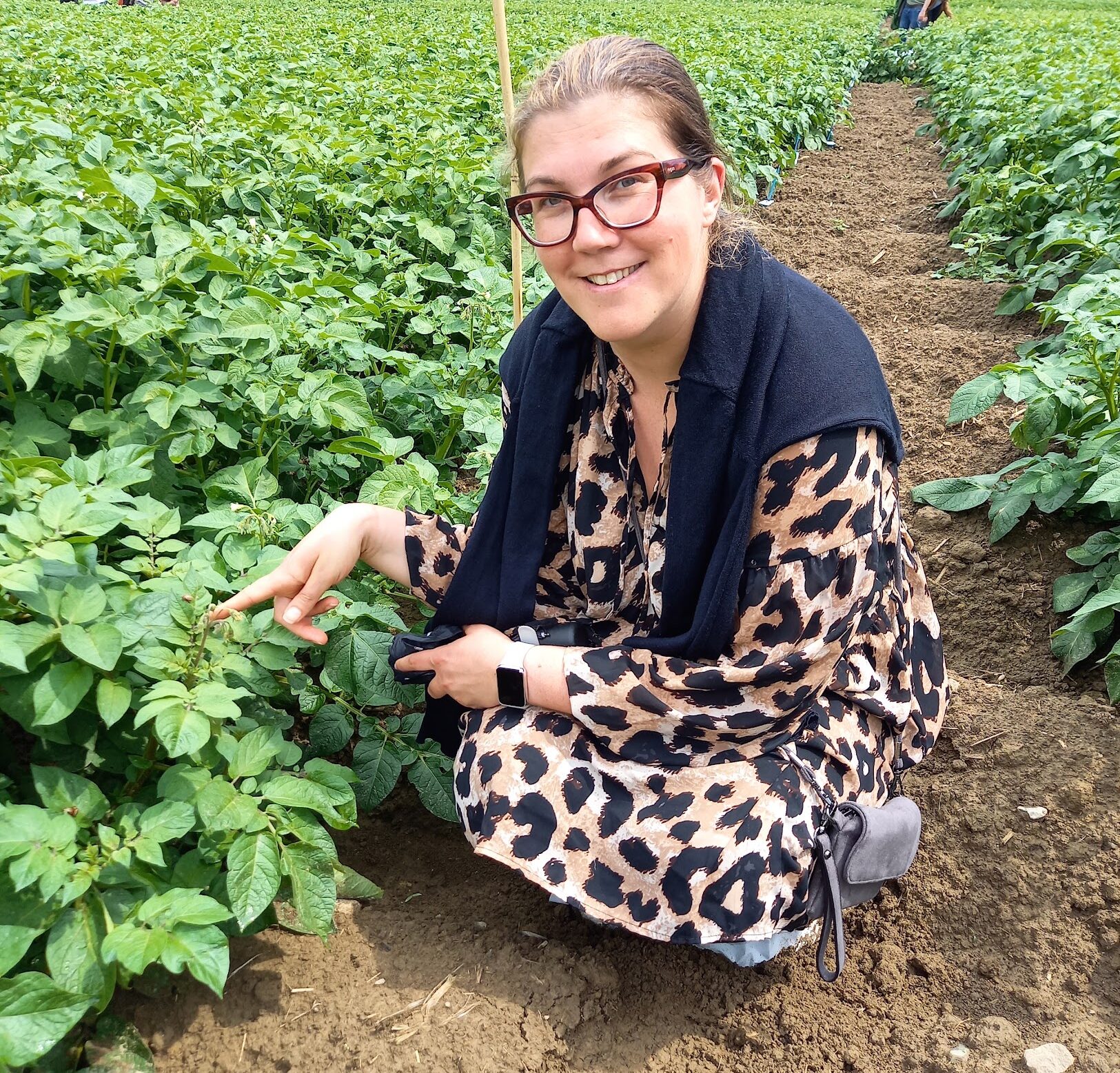
Centre of Estonian Rural Research and Knowledge. ”The numbers are dropping fast.”
Local hero potatoes
The PVY virus was first described in Eastern Europe in the early 1980s, but is now predominant across the world, explained Adrian Fox, Newcastle University’s and UK’s Food and Environment Research Agency’s Lead Virologist.
“The work done by [van der Sman and her team] on varietal influence on PVY populations is novel and original work,” Fox continued. “Given the presence of recombinant strain types is not routinely assessed during seed certification, tools to support these analyses can greatly enhance our understanding of viral emergence, and enable us to understand the emergence of new, potentially damaging recombinant types of PVY.”
With no chemical cure for these viruses, farmers can only hope they are planting resistant potato varieties, having to place the trust on the seed potato growers, and hoping the plants they buy are healthy. There are only a few major seed potato producers in Europe that distribute across the continent, so a lot of the potatoes we buy from European grocery stores, actually come from the same sources.
Country-wise, one of the biggest players is the Netherlands. It produced two thirds of the seed potatoes traded within the EU in 2023, Eurostat reported.
But the Estonian study showed that even if the seeds come from the same place, in which country’s soil they end up, matters.
And that the virus behaves differently as there are multiple variants of the same virus in different locations.
Varieties like Secura or Romera, which big international breeders sell as “highly resistant,” are actually quite vulnerable to the local strains in Estonian soil. Two popular foreign varieties, Folva and Rosagold, failed spectacularly, with infection rates peaking at 70% and 46%. Because of this study, they are no longer grown as seed potatoes in Estonia.
Laura, the most popular potato sold in Europe, proved to be a genetic miracle. Out of 70 different seed lots monitored over 16 years, it maintained an almost unbelievable infection rate of just 0.2%.
The Estonian variety Ants also showed a good level of resistance.
What happens next?
Estonian seed potatoes have been highly prized since 1932, exported as far as Argentina and Spain. This study was the first of its kind in the Baltics. It showed that the industry has a future. But only if we find a way to adapt.
“I don’t believe we will lose the potato completely,” Piret said. “It’s a constant search for a balance with nature. If we choose the right varieties, we can overcome these threats.”
Ironically, the biggest threat to the potato might not be biological at all.
“People are buying potatoes less. The numbers are dropping fast,” van der Sman noted. “We are not quite sure why that is happening, but I have a hunch: people are too lazy to peel them.”
SIDEBAR:
Four ways to save the potato
Because there are no chemical “cure” for an infected plant, saving the crop requires a more high-tech protection, as Piret van der Sman and her colleagues concluded:
- Because hybrid strains hide their symptoms, farmers can no longer just look for sick leaves. So the industry should start using sensitive molecular tests like Real-Time PCR to find the virus in low concentrations.
- Scientists must constantly map the virus’ genome to update tests before it mutates again. Piret’s team helped by creating a custom software program, “PVY strainer”, and sharing it openly with scientists worldwide.
- Because the virus lives inside the seed tubers, farmers should buy the special seed potatoes that have been scientifically pre-tested.
- International “resistance” labels frequently fail in local soils. Countries must run independent monitoring to tell farmers which varieties actually survive in their specific climates.
This article is written by Marian Männi. This article was funded by the European Regional Development Fund through Estonian Research Council.
From a virus hiding in potatoes to a horse whose genetics were deliberately copied, Estonian research shows just how varied genetic science can be: After years of research and practice the first cloned foal is born in Estonia.